Wurlitzer Building
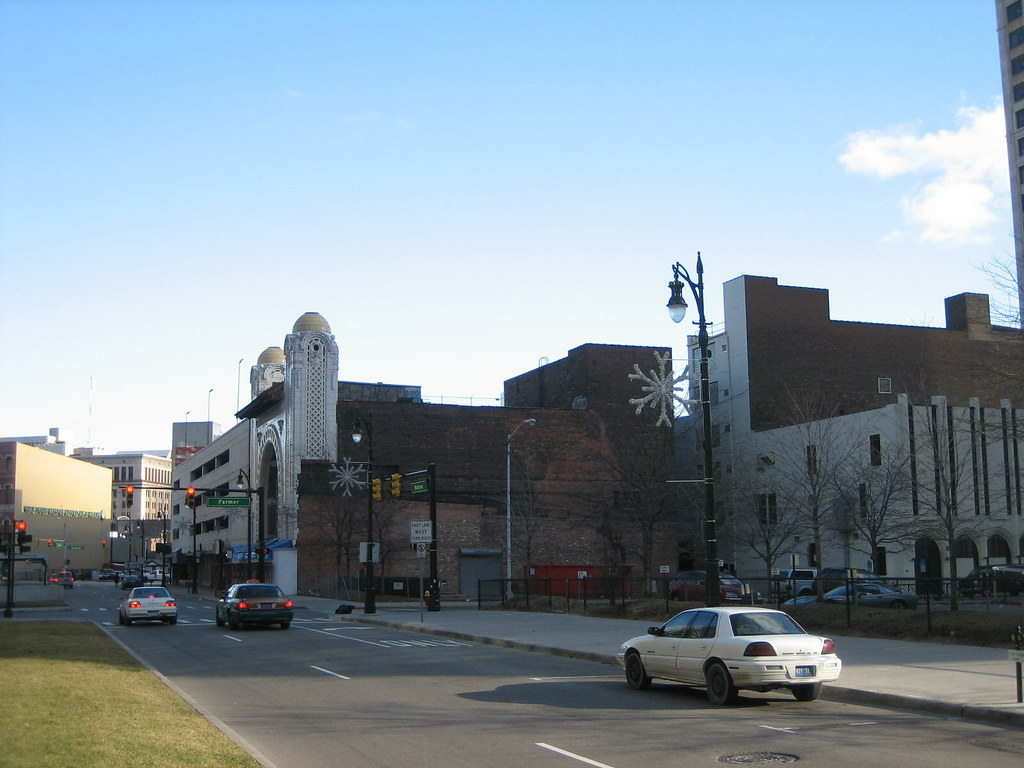
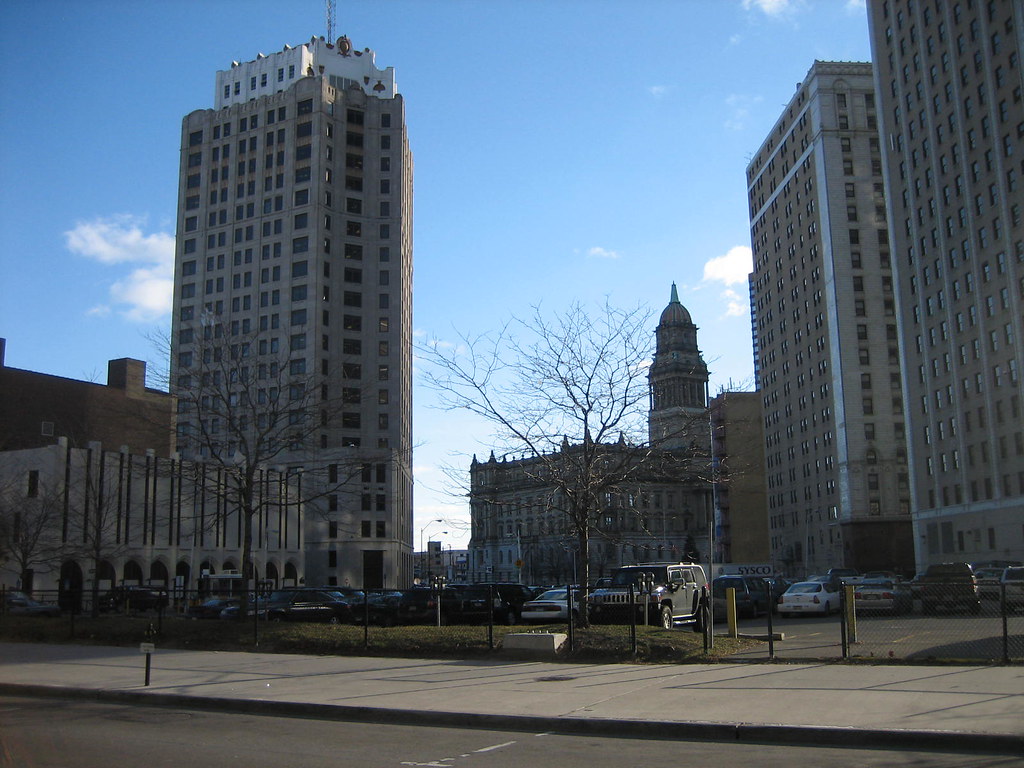
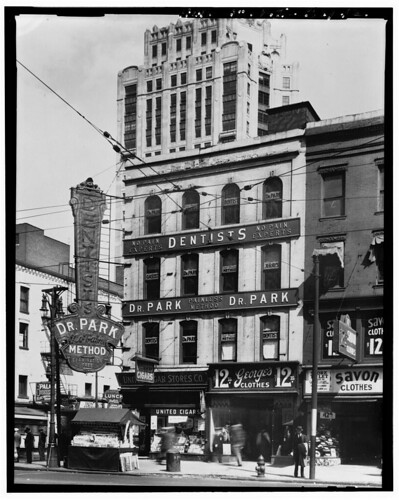
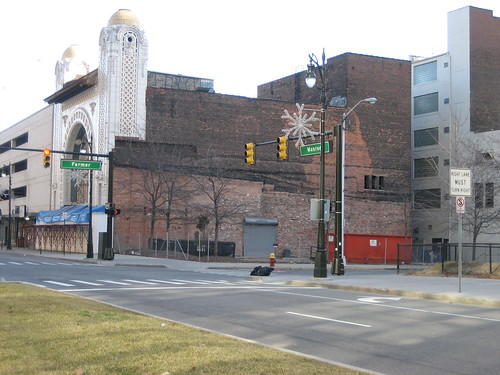
On a much-revitalized strip of Broadway that features the new YMCA and a host of other business, a gem of a 1926 building sits neglected.
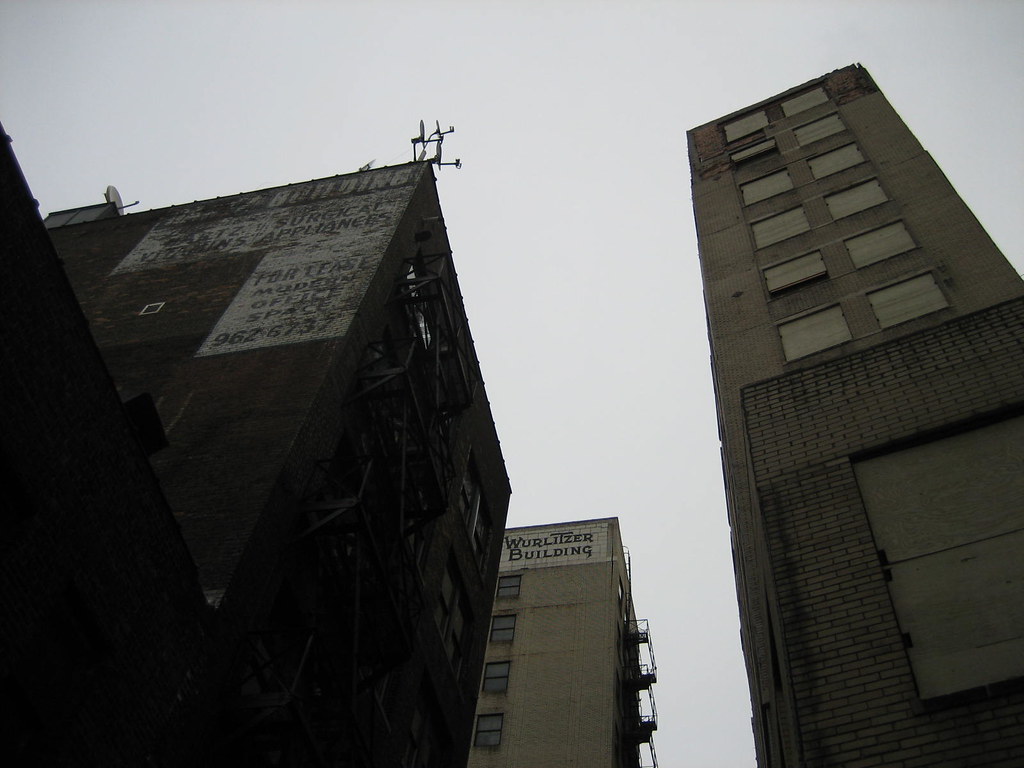
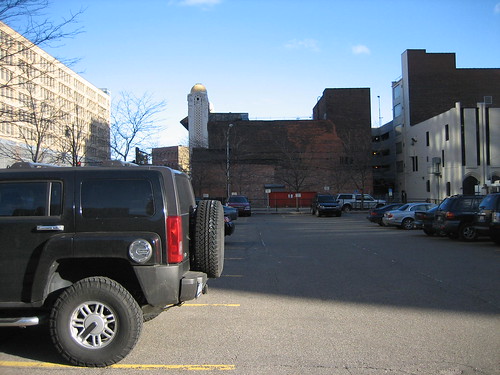
A view from the back alley...
The Wurlitzer's last tenants moved out in 1982. The owner at the time, Gerald Tobin of Annapolis, MD, purchased the building in 1980. The heat and water were shut off in the winter of 1982, even though tenants such as a photographer, two furriers, the Travelers Aid Society, a religious supplies firm, a legal printing company and the Detroit Police Lieutenants and Sergeants Association were still paying rent. Although the owner claimed he was "absolutely not" trying to drive out the occupants by allowing the heat and plumbing to be cut off, he admitted to owing Detroit Edison thousands of dollars and claimed that the long-term leases with tenants were no longer economically viable.
"I'm not really trying to sell it. I suppose my basic plan is to wait until I can free up some cash and renovate the heating system," he told the Detroit Free Press at the time.
Paul Curtis, a lawyer, purchased the Wurlitzer in 1995 for $211,021. Successful businesses have recently helped make Broadway a viable commercial strip again and lifted the once sagging property values. Yet, the Wurlitzer has decayed significantly during Curtis' ownership. A broker cited by the Free Press in 2004 claimed that the asking price of the building had climbed to 2 million dollars.
This is urban venture capitalism at its worst. A slew of skyscrapers like the Wurlitzer sit empty downtown while their owners wait for some sucker to shell out top dollar for their rotting, asbestos-filled beauties. Mr. Curtis has repeatedly made promises to renovate the deteriorating structure. This seemingly typical move attempts to justify owning a decaying structure and taking no action to renovate or demolish while hoping for someone to come along and buy the land its on. I don't know if Mr. Curtis still owns this building, but I do know that not much is happening with the property currently. (Also - is he the same person as the lawyer from Detroit "Paul L. Curtis" accused in 1994 by federal prosecutors of revealing the identities of two would-be informants [who were later killed] and arranging a $600,000 drug deal in order to set up another man's death?? Somebody help me.)
"Detroit Blog" has a bit more information about the history of the building. Meanwhile, I hope you enjoy these snapshots from a few weeks ago...
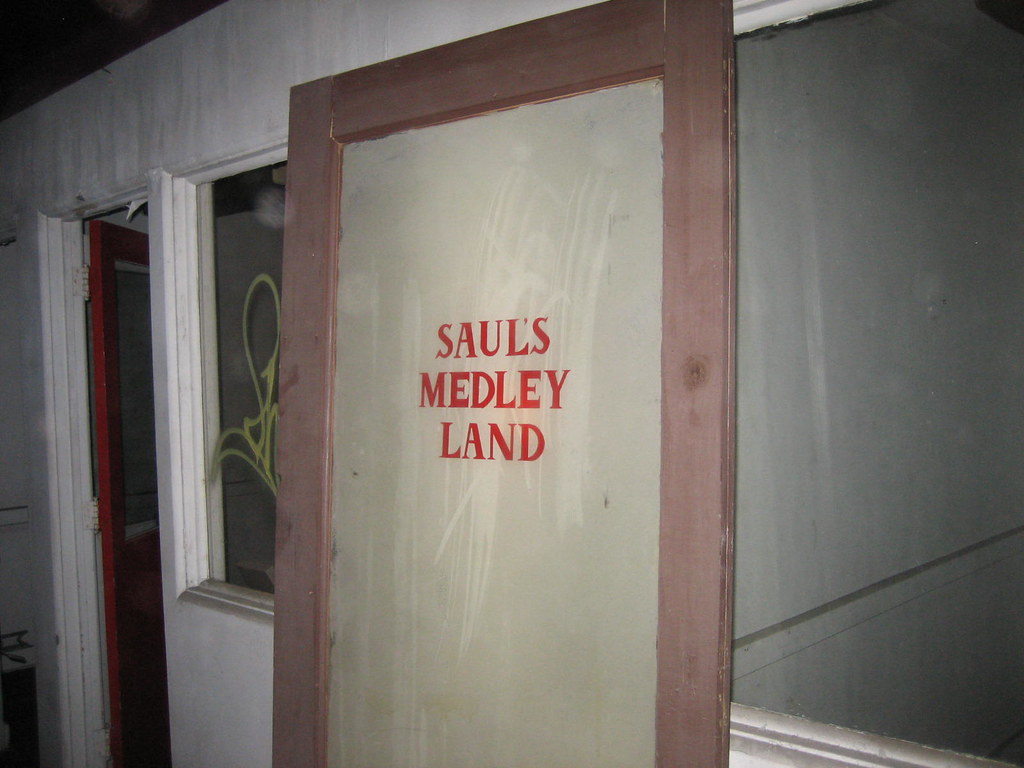
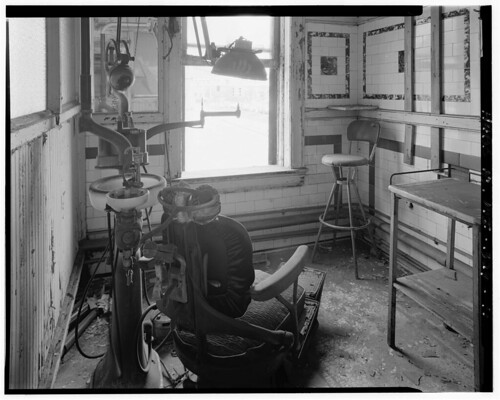
The building betrays a breathtaking musical history. From "Saul's Medley Land" to the "Ayotte's Booking Agency" (complete with audition room) to the music libraries on the higher floors.
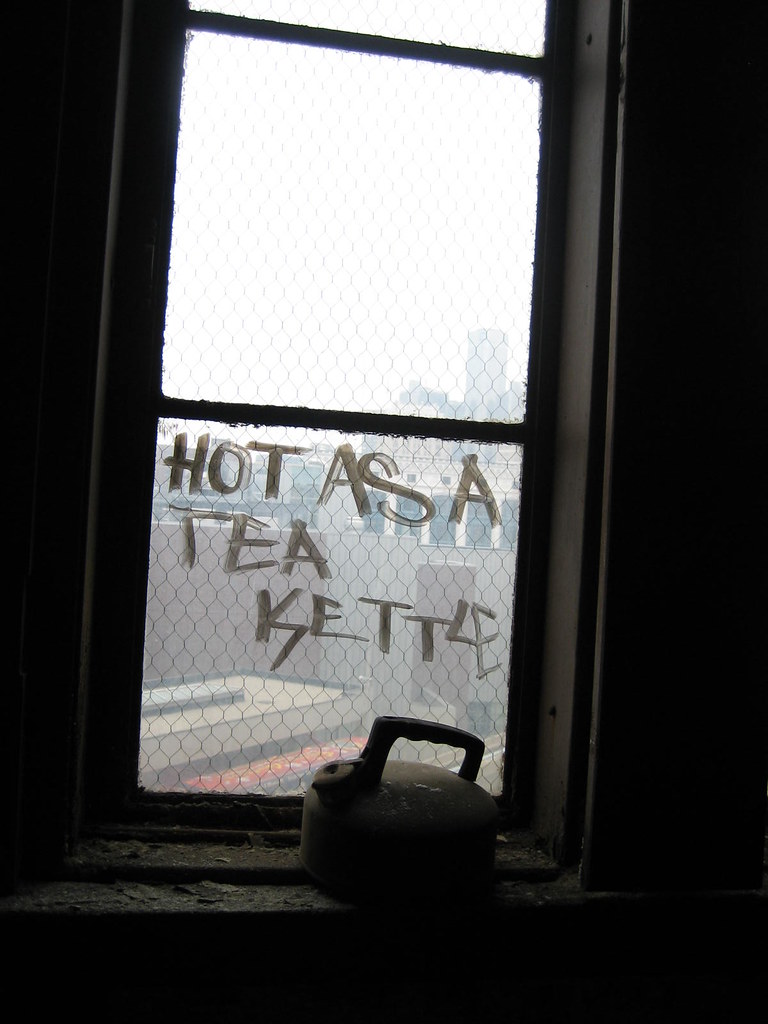
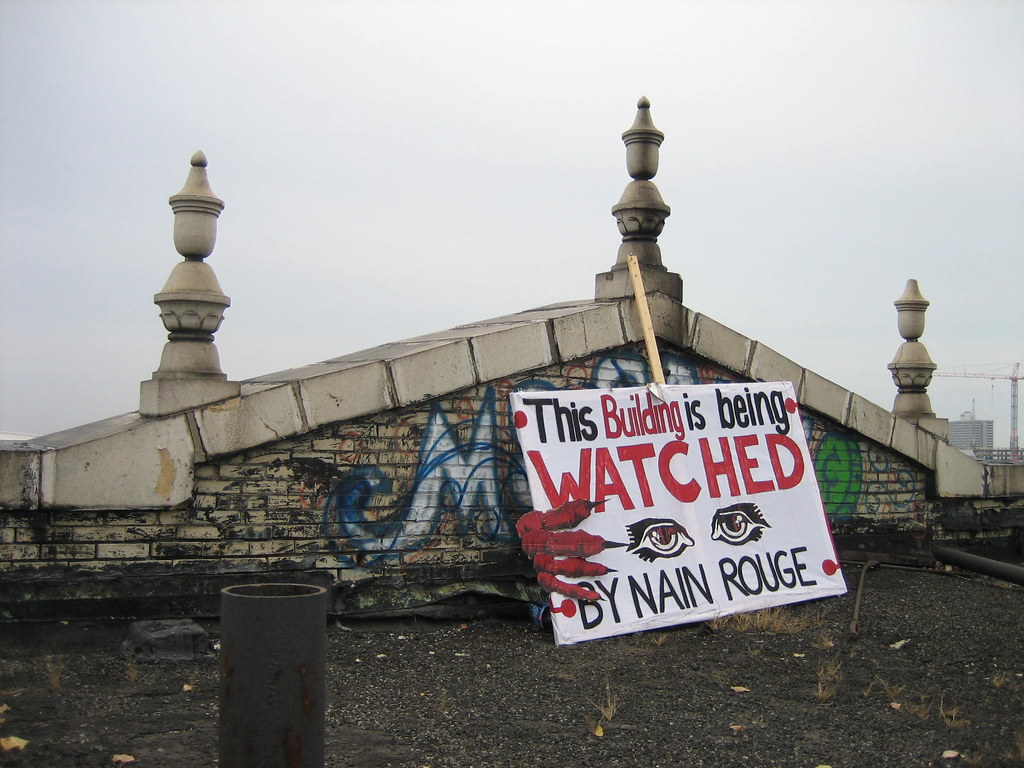
On the rooftop...
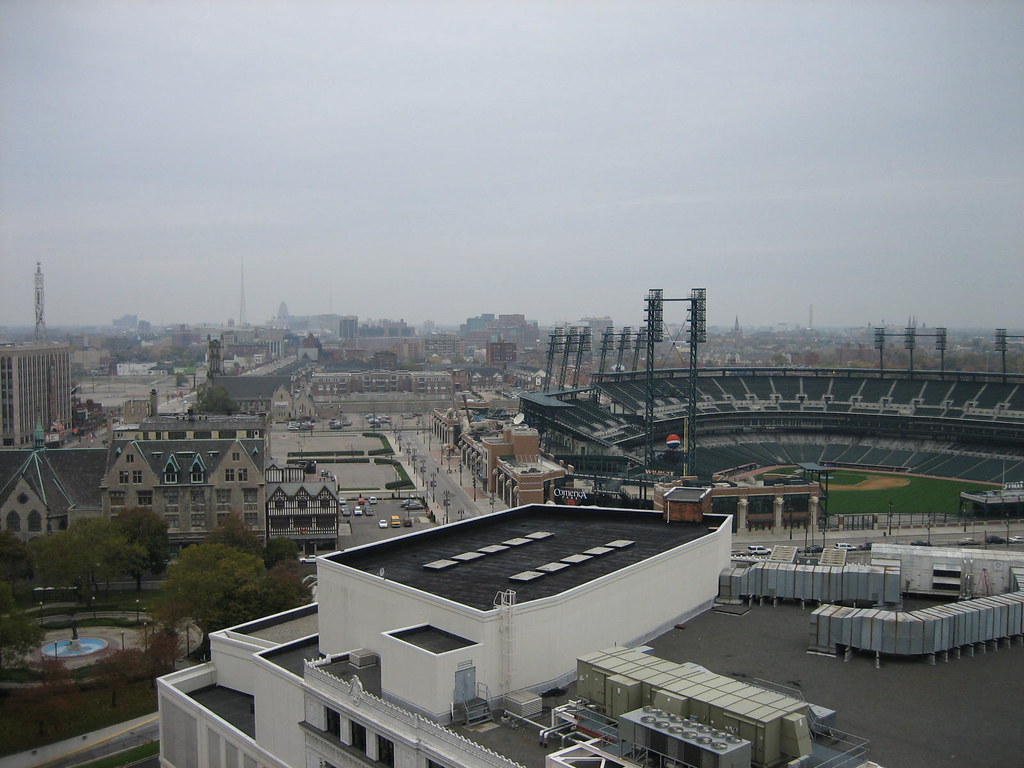

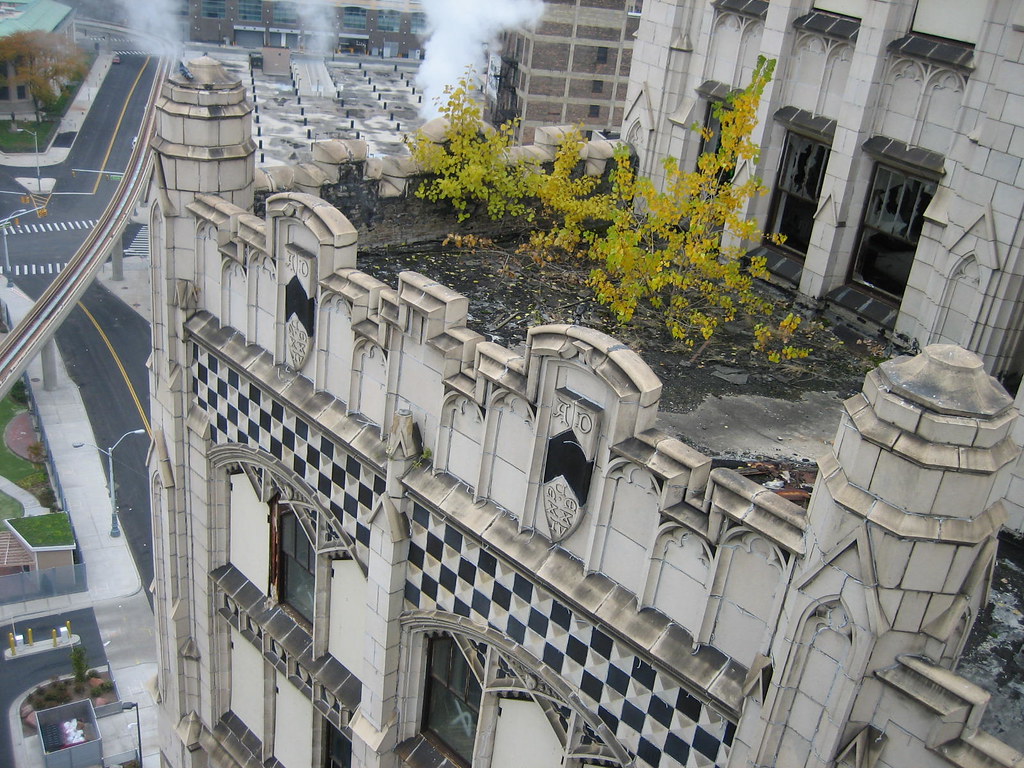
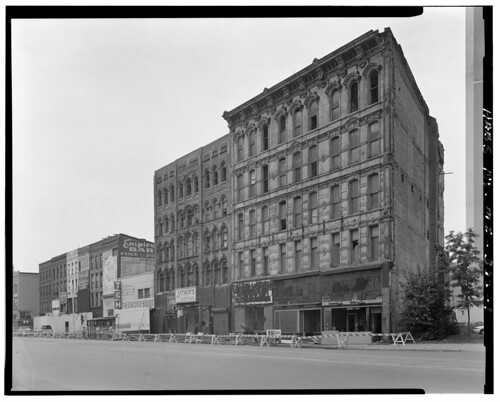
The Metropolitan Building sits empty next door.
A view from the back alley...
The Wurlitzer's last tenants moved out in 1982. The owner at the time, Gerald Tobin of Annapolis, MD, purchased the building in 1980. The heat and water were shut off in the winter of 1982, even though tenants such as a photographer, two furriers, the Travelers Aid Society, a religious supplies firm, a legal printing company and the Detroit Police Lieutenants and Sergeants Association were still paying rent. Although the owner claimed he was "absolutely not" trying to drive out the occupants by allowing the heat and plumbing to be cut off, he admitted to owing Detroit Edison thousands of dollars and claimed that the long-term leases with tenants were no longer economically viable.
"I'm not really trying to sell it. I suppose my basic plan is to wait until I can free up some cash and renovate the heating system," he told the Detroit Free Press at the time.
Paul Curtis, a lawyer, purchased the Wurlitzer in 1995 for $211,021. Successful businesses have recently helped make Broadway a viable commercial strip again and lifted the once sagging property values. Yet, the Wurlitzer has decayed significantly during Curtis' ownership. A broker cited by the Free Press in 2004 claimed that the asking price of the building had climbed to 2 million dollars.
This is urban venture capitalism at its worst. A slew of skyscrapers like the Wurlitzer sit empty downtown while their owners wait for some sucker to shell out top dollar for their rotting, asbestos-filled beauties. Mr. Curtis has repeatedly made promises to renovate the deteriorating structure. This seemingly typical move attempts to justify owning a decaying structure and taking no action to renovate or demolish while hoping for someone to come along and buy the land its on. I don't know if Mr. Curtis still owns this building, but I do know that not much is happening with the property currently. (Also - is he the same person as the lawyer from Detroit "Paul L. Curtis" accused in 1994 by federal prosecutors of revealing the identities of two would-be informants [who were later killed] and arranging a $600,000 drug deal in order to set up another man's death?? Somebody help me.)
"Detroit Blog" has a bit more information about the history of the building. Meanwhile, I hope you enjoy these snapshots from a few weeks ago...
The building betrays a breathtaking musical history. From "Saul's Medley Land" to the "Ayotte's Booking Agency" (complete with audition room) to the music libraries on the higher floors.
On the rooftop...
The Metropolitan Building sits empty next door.
Labels: Abandoned Buildings, Architecture, Art, Detroit, Downtown
posted by frequency13 at 12:37 AM
1 comments